In a statement the Guardian said: “The Terms and Conditions of the Guardian Weekend photography competition were out of keeping with our usual standard. This was an oversight on our part and from next Saturday they will be revised.”

[Editor’s note: the revised terms have continued to cause controversy – read the follow-up story here]

The competition, launched last weekend, and which takes up the back page of the redesigned Guardian Weekend Magazine, features around five themed images. The competition details were printed in tiny and difficult to read five point capitalised text at the foot of the page, and included the following clause.

IN CONSIDERATION OF GNL [Guardian Newspapers Ltd] AGREEING TO CONSIDER THE ENTRY, EACH ENTRANT ASSIGNS TO GNL THE COMPLETE COPYRIGHT AND ALL OTHER RIGHTS IN ANY ENTRY WHICH SHALL BE FOR THE FULL PERIOD OF COPYRIGHT. GNL SHALL BE FREE TO ASSIGN SUCH RIGHTS TO THIRD PARTIES

The assignment of copyright would have meant that as soon as a photograph was entered into the competition the photographer could never use, sell or even print out a copy for their own use ever again.

EPUK has been told that the new revised terms will take the form of a non-exclusive licence, and will not demand a waiver of moral rights. In future the terms will be listed on the Guardian’s website for ease of legibility, rather than in tiny print on the page itself.

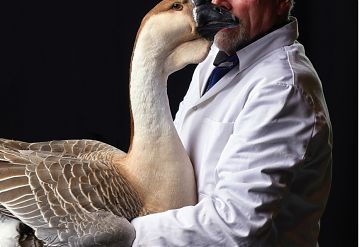
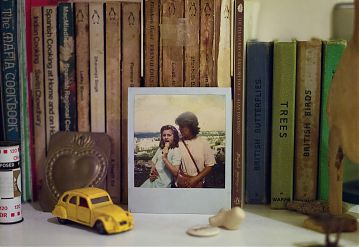
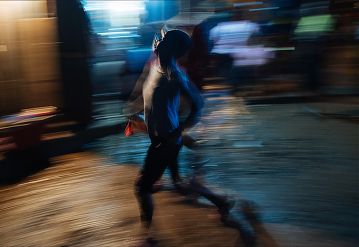
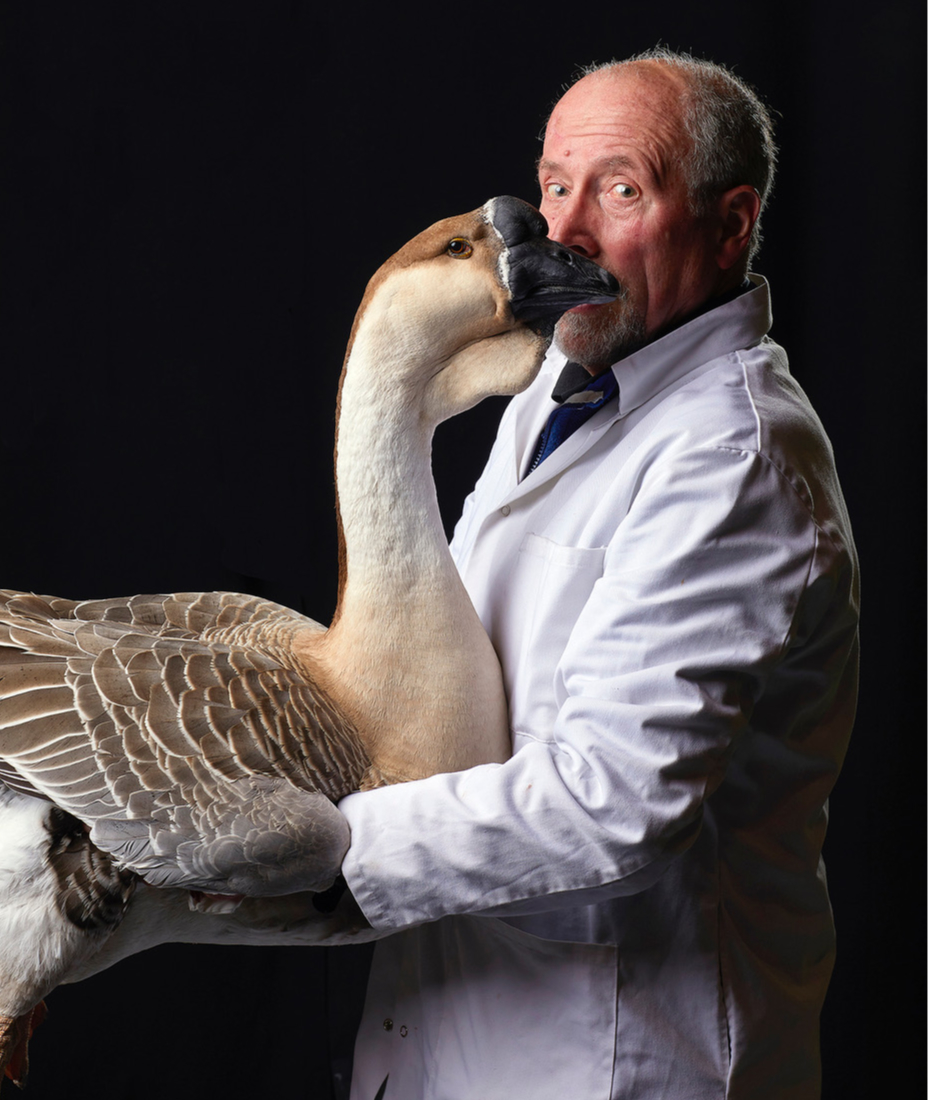
The launch of the competition featured work shot by professional photographers Mark Chilvers, Scott Chasserot, David Yeo, Mischa Haller and Franck Allais which had been commissioned specially for the page. The professional photographers were each paid just over £200 for the commission and were not asked to give up copyright.

Mistake initially branded ’ a cynical move’

The “In Pictures” section has replaced a half-page-sized “featured contributor picture”, which did not include a rights grab, did not offer prizes, and most professional contributors were paid between £100 and £400 for reproduction of the image.


The Guardian Weekend Magazine’s In Pictures competition with the 5point terms enlarged.
As with the Opodo/Nikon competition, the issue quickly dominated amateur photographer forums, and seemed certain to damage the Guardian’s reputation as a newspaper which celebrates the best in contemporary photojournalism.

On Flickr one contributor wrote: “For a newspaper which has publicly declared itself a champion of photography, this seems a very cynical move to say the least.”

Elswhere, on the GuardianUnlimited talk board one commenter noted:”It seems that GNL is trying to build up its own extensive picture library without having to pay anyone for the pictures.”

The Guardian’s Head of Photography, Roger Tooth, declined to comment, saying only that he was not responsible for the competition, which falls under the control of Weekend picture editor Kate Edwards. However, when professional photographers were asked to sign over free usage of 100 of their images to Live8 in return for covering last year’s concerts, Tooth described the proposed rights grab as “absurd”.

Groundhog day

The launch of the competition, and the subsequent rules u-turn, could not have come at a more ill-judged time, given the recent global furore over the Nikon-partnered Opodo Reflections competition.

It would be difficult to find two competitions more alike than the Canon/Guardian and the Nikon/Opodo contests. Both are organised by large and well-established companies. Both offer prizes by major camera manufacturers. Both are aimed at amateur photographers. Both are long term competitions. Both offer relatively low-value prizes. Both insisted that the photographer give them free license to use and resell the pictures forever, granting the organiser a free-of-charge picture library whose value could be measured in the millions, and both sets of rules have been changed after protests.

The competition not only would have given the Guardian Weekend Magazine a chance to fill a page with free content each week, but also would have provided the Guardian and Observer with a free-for-use photographic library with a huge resale value.

Sponsor Canon’s involvement unclear

There was also uncertainty over the role of competition sponsor Canon. Just two weeks ago, Canon stated categorically that they would never sponsor a competition which had rights-grabbing terms. While researching background on the Nikon/Opodo Reflections competition two weeks ago, EPUK asked Canon:

If Canon UK were asked to sponsor a photographic competition which insisted that all entrants give the organiser a royalty-free perpetual license to use all entered photographs, would you refuse to do so ?

At the time, a spokesperson for Canon told EPUK:

Canon treats photographers and their copyright with the greatest of respect, and would never ask them to agree to such [rights-grabbing] terms as part of a competition.

Canon UK were contacted about their involvement in the Guardian competition, but declined to comment.

Guardian Newspapers Ltd is wholly owned by the Guardian Media Group, which last year made a pretax profit of £46m on turnover of £700m