James, You spent 15 years in Editorial shooting for brands like Elle and Harvey Nichols before redirecting toward interior design and corporate work. For photographers feeling 'genre-fatigue', what were the most difficult technical or mental hurdles you faced when re-training your eye for a completely different market?
My background in editorial photography began with commissions to photograph people for magazine profile features, alongside interiors and lifestyle work. This led to commissions from design agencies to photograph retail interiors and design, and later to environmental portraiture for editorial clients. From there, client relationships evolved into corporate work, including business portraits, headshots, and conference photography.The skills and visual style I developed through editorial commissions translated naturally into this new area, so there wasn’t a steep learning curve—aside from learning how to light portraits on location. My early portraits were shot on medium-format film using available light, as I couldn’t afford lighting equipment when I graduated from LCC.
As a freelancer with over 20 years of experience, what strategies have you found most effective for building and maintaining a diverse client base in London and the South East?
I’ve found that flexibility has been the key. I’ve worked across a wide range of subjects so being fairly flexible in what I photograph has helped. Being known as reliable and for getting the best out of a shoot, whatever the subject or location, has also been important. I’m experienced working with people and putting them at ease and genuinely enjoy collaborating and networking with others.
You graduated from the London College of Communication (LCC) in 1997, a pivotal time for the shift from film to digital. Looking at the current landscape of AI and computational photography, what core principle from your traditional training do you find yourself leaning on most to keep your work feeling 'human' and authentic?
AI is clearly changing and challenging for us photographers, but I focus on what I can control: delivering strong images for my clients, on time and on budget, and making sure they enjoy the experience of working with me. Building good relationships and creating work that people trust and value still matters. With nearly 28 years of experience across different areas of photography, I believe that depth of knowledge, judgment, and human connection continues to count for a great deal.
In business portraits for high-profile clients like Unilever executives on rooftops, what methods do you employ to build rapport quickly and ensure the subjects appear confident and authentic?
I’m pretty good at making people feel comfortable in front of my camera and am able to build up a rapport fairly quickly with my subjects in order for them to feel confident and relaxed during a shoot. I try to find some common ground as well so that we can talk about that during shoot as that also helps to breakdown any barriers of self consciousness.
Having worked with major clients like Unilever and Vanity Fair, how much of your success do you attribute to technical mastery versus the soft skills of managing peoples expectations?
Both technical skills and ‘soft’ skills as you put it are equally important during a shoot. Let’s be honest as the technical aspect of any shoot should be a given when you’re working as a professional photographer and are being paid by clients to constantly come up with good results and images on every shoot. You also must be good at problem solving and management of time and also sometimes managing a clients expectations of a shoot and a brief.
When shooting for a global client like Unilever, the pre-production phase is often as critical as the shoot itself. How do you handle the technical 'scoping' of a project,such as site visits, light-path mapping, and equipment rentals to ensure there are zero failures on the day of the shoot?
It really depends on the shoot, but like all freelance photographers I’d say get on site at the shoot location early and if you can see the location before the shoot then so much the better. Obviously check all your equipment the day before; cameras, memory cards, batteries charged up and lights working etc. also the travel time, trains or any congestion on the roads and the weather.
Also set your equipment set up; cameras and lights, before the person or people you are photographing walk on to the set or the room/location where you are photographing them. Use an assistant (if there is the budget for one) or the person who commissioned you (most likely a pr and marketing person) to set up the lights. Usually I find that a lot of the pr or marketing people don’t always have good photos of themselves so make sure that they get a copy of your test shot once you’ve got the lighting and background all set. Finally, be nice and as helpful as you can during the shoot and make the process as easy and enjoyable for your clients as you can.
Your blog mentions the dangers of 'over-analysing' the process. When you find yourself stuck in a creative rut during a long-term project, what is your mental 'reset' button so youcan approach your work with renewed enthusiasm?
I find that visiting art galleries and seeing as much art, photography and film as you can helps to keep those creative feelings going. I also have an allotment where I grow my own vegetables and being near to nature and outside in the environment can really help me mentally, especially at the moment when the news cycle is so awful. My other passion outside of photography is lure fishing and I spend a fair amount of time around Brighton catching fish and that also feeds into my long exposure seascapes series as a lot of the locations on the coast are where I go to fish.
In your lifestyle shoots, you often blend editorial storytelling with commercial appeal. What advice would you give to emerging photographers on balancing artistic vision with client briefs, especially when the client involves multiple stakeholders?
I’d say just do the best job that you can and always try to ‘over deliver’. Also once you’ve got the images that your client needs I would try to see if there are any other ways to shoot the brief that are more creative and interesting as lets be honest, photographing headshots and conferences isn’t exactly that interesting or creativity inspiring, but it does help pay the bills, especially at the moment when work is getting harder to find.
You’ve expressed a healthy scepticism regarding social media, particularly the buying of followers and the dilution of imagery by ads. Do you believe it is possible to build a sustainable freelance career today by ignoring the numbers game and focusing solely on a traditional portfolio?
To be honest I’m not too sure of best ways to promote yourself and skills in this digital world as I struggle with marketing and knowing which social media channels work as they keep changing. I do feel that it is nice to have a printed and well designed portfolio as well as printed cards. I feel people do like to have a physical object to look at rather than just scrolling through a website - although I can’t remember the last time I went out with my ‘book’ to see a commissioning editor or client.
Finally, what are you working on next?
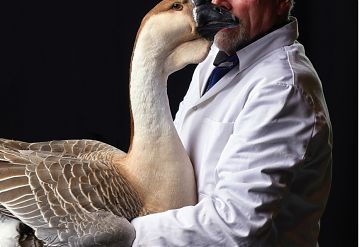
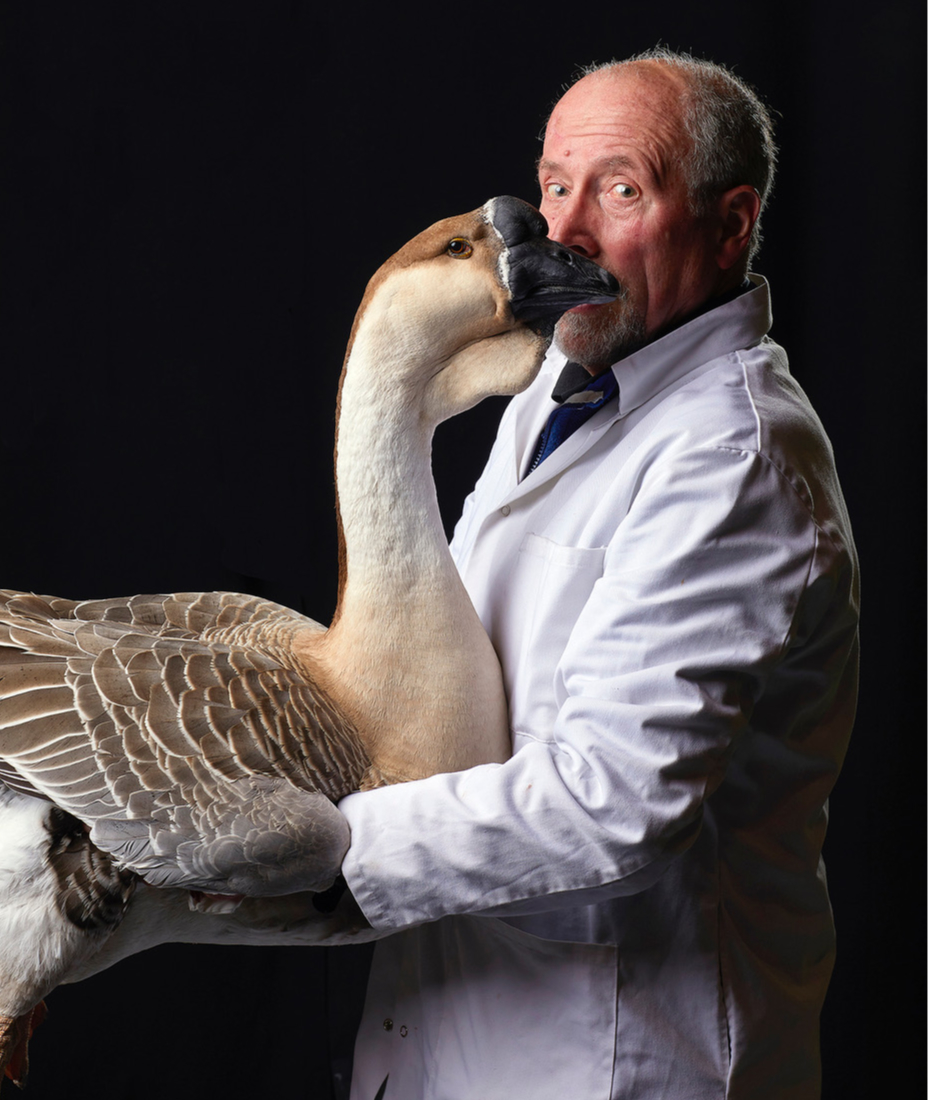
Well I’d love to do a series of environmental portraits similar in style to the National Poultry show portraits I did with Tim Foster. I’ll also carry on with my seascapes series as that is something that I really enjoy doing as it gets me out onto the coast and by the sea. I also want to start pushing my print sales again and maybe set up an exhibition of my work.
See more work by James Winspear