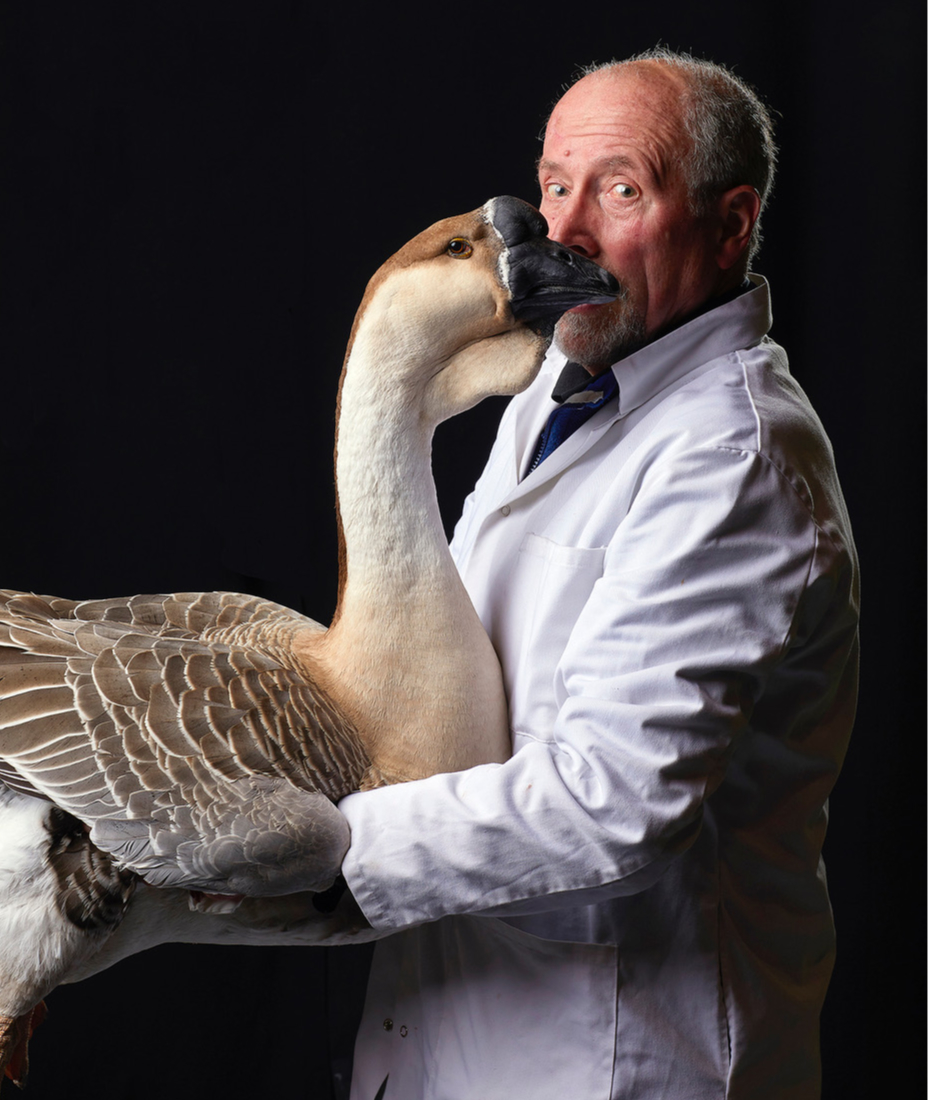
“The true face of war would inevitably be anti-war” said James Nachtwey in almost a whisper to a packed audience at the Royal Geographic Society in London last week.

Nachtwey was speaking at the the VII Photo Agency’s first European seminar, a two day event featuring talks and multi-media and video presentations from all ten of the agency’s members, plus panel discussions, question times, and – for a select few – a third day of portfolio reviews at the Frontline Club in Paddington.

Opening the event, Gary Knight said VII – founded on the eve of the 9/11 attacks – was a continuous experiment that the members wanted to share with the photographic community, which came out of a growing dissatisfaction with the way the industry was changing.

Media savvy and committed to the cause of reporting and communicating the injustices of the world, VII has harnessed the virtual world in its mission.


James Nachtwey addresses the VII seminar (Photograph: Graham Harrison)

“You were moving, moving, moving and seeing people’s faces and making a picture and then moving” said Eugene Richards, recalling the time he barged into a psychiatric hospital without permission accompanied by a team from Mental Disability Rights International.

The resulting work, ‘A Procession of Them’ , showing Richards’ jagged, close-up scrutiny of his contact sheets reflecting the fractured lives of the inmates of a Mexican mental hospital is one of his recent departures into multi -media.

Yet, Richards admitted to EPUK “It’s not a choice you want to make necessarily, but this is how younger people are learning today and part of being a photojournalist is to provide historical material and to be an educator.”

“If in a short production you can grab people for five minutes on a web site then your work does have value”.

“Newspaper survival depends on the web”

Keynote speaker John G Morris whose canny eye picture edited many of the most powerful images of the 20th century sees the moving image eroding the power of the still image, and worries about what he calls the disturbing tendency of newspapers to take stills from video. A veteran of Life, The New York Times and The Washington Post, Morris added that the survival of all newspapers is now dependent on the web.

After seven decades in the business Morris is stunned by the ease of modern communications and sees it as a powerful tool for democracy around the world.

“That’s where photography gets exciting” said Lauren Greenfield talking of how her work on the emotional and social life of American girlhood has broken the confines of the photographic and art communities.

When her first book Fast Forward became a museum show and then part of the educational curriculum in Arizona, she realised how acceptable photography was to young people and how it could be a jumping off point for educators.